
About the practice
Physicist-led.Purposelyfocused.
Heartland Physics is a physicist-led consulting practice focused on radiation shielding design for diagnostic imaging equipment that uses X-rays — general radiography, CT, cone-beam CT, fluoroscopy and C-arm systems, and dental X-ray and CBCT projects.

Lancer Smith, M.S.
Principal Physicist — Heartland Physics
Direct access
Work directly with Lancer Smith, M.S.
Lancer works directly with facility owners, architects, contractors, equipment vendors, and imaging teams. There is no handoff to a sales team. The person reviewing the project information is the person responsible for the shielding calculations and technical recommendations.
Every report is handled directly by Lancer from project intake through final delivery — a principal-led practice by design, not by accident.
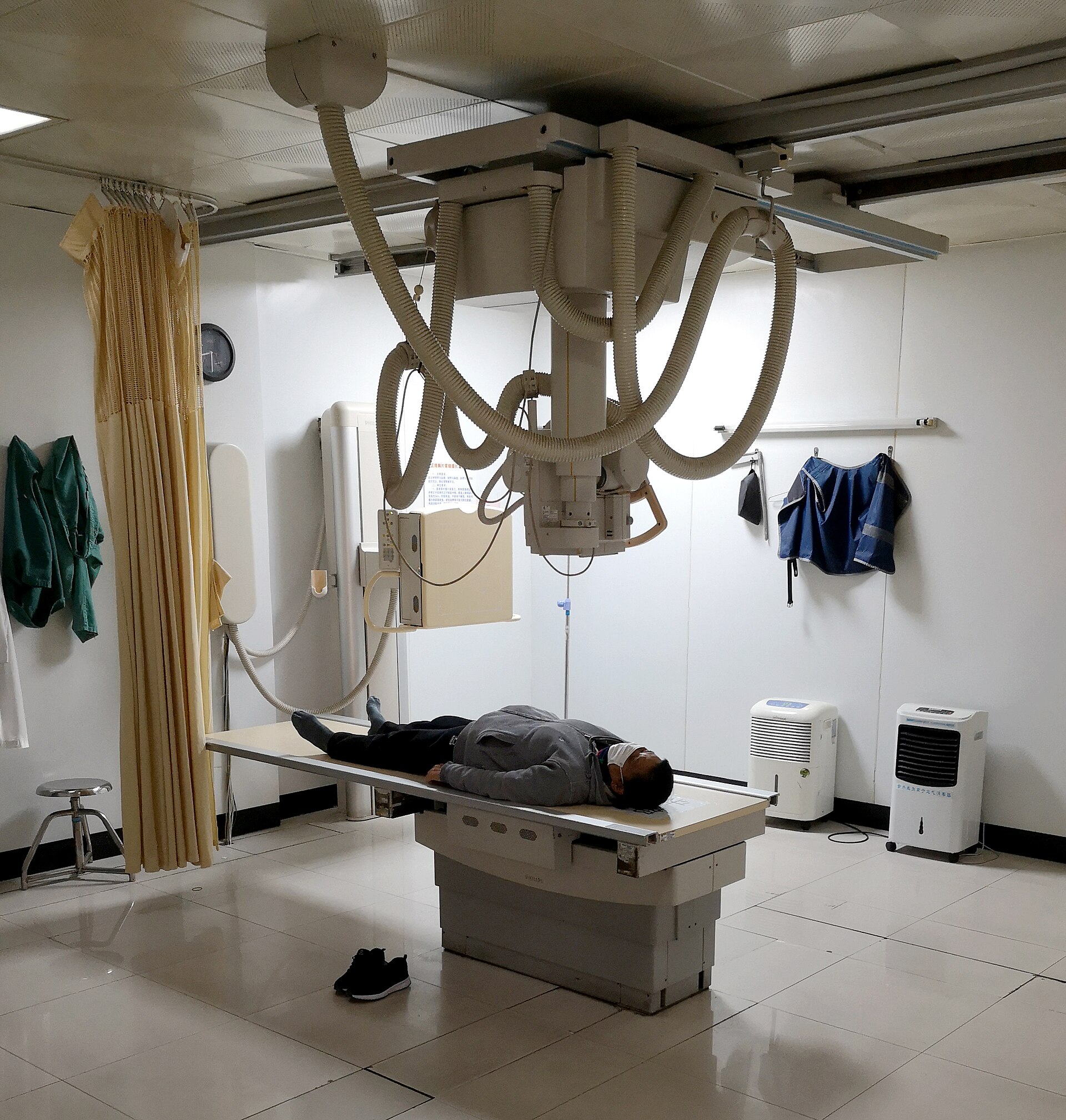
Facility owners · architects · contractors · vendors
Photo: Wikimedia Commons (CC BY-SA 4.0)
Scope
What Heartland Physics does
Review the project location and identify the shielding or plan-review path that applies.
Review the exact imaging equipment, room layout, orientation, workload, construction, and occupancy around the room.
Prepare project-specific radiation shielding calculations.
Provide barrier and material recommendations coordinated with the construction documents.
Coordinate shielding questions with the facility, architect, contractor, and equipment vendor.
Organize shielding-related technical information for state or local plan review when that process applies.
Clients
Who Heartland Physics works with
Medical and dental practices planning new imaging rooms or equipment replacements.
Architects and engineers coordinating diagnostic imaging spaces.
General contractors and shielding installers building or remodeling X-ray rooms.
X-ray equipment vendors and installers who need a physicist behind a customer project.
Hospitals and outpatient imaging groups planning X-ray, CT, CBCT, or fluoroscopy projects.
A note on scope
What a shielding design is — and what it is not
A shielding design is project-specific technical work based on the actual equipment, expected use, room geometry, construction, and occupancy. It is not a regulatory approval and it does not replace facility registration, equipment testing, inspections, radiation surveys, or other requirements that may apply in a particular jurisdiction. State and local requirements vary — the current requirements of the responsible radiation-control authority always control.